Buy pooling.eu ?
We are moving the project
pooling.eu .
Are you interested in purchasing the domain
pooling.eu ?
domain@kv-gmbh.de · 0541-91531010
Buy pooling.eu ?
How can one keep an outdoor bonsai indoors?
To keep an outdoor bonsai indoors, it's important to mimic its natural outdoor environment as closely as possible. This includes providing the bonsai with adequate sunlight, either by placing it near a south-facing window or using grow lights. It's also important to maintain the proper humidity levels by misting the bonsai regularly and placing a humidity tray filled with water and pebbles underneath the pot. Additionally, it's crucial to monitor the temperature and ensure that the bonsai is not exposed to drafts or extreme temperature fluctuations. Finally, regular watering and proper soil drainage are essential to keep the bonsai healthy while indoors. **
How often do you water a bonsai?
Bonsai trees should be watered when the soil starts to feel slightly dry to the touch. This could range from every day to every few days, depending on factors such as the size of the pot, the type of soil, and the specific needs of the tree species. It's important to monitor the soil moisture regularly and adjust the watering schedule accordingly to ensure the bonsai receives the right amount of water. Overwatering or underwatering can both be harmful to the health of the bonsai. **

Similar search terms for Bonsai
Top-Angebote
Products related to Bonsai:
-
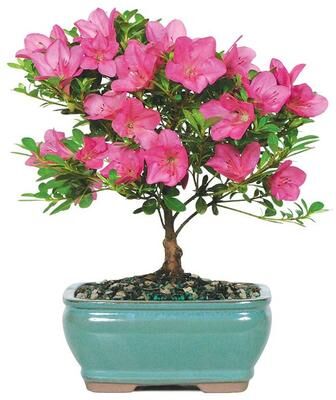
From You Flowers Pink Azalea BonsaiThis stunning outdoor azalea plant has been carefully crafted into a balanced bonsai shape. The charming tree features beautiful pink blossoms, ready to bloom in the months of May and June! They'll surely cherish this charming, thoughtful gift as it...59,99 $*Shipping: 14,99 $Secure redirect to the provider
-
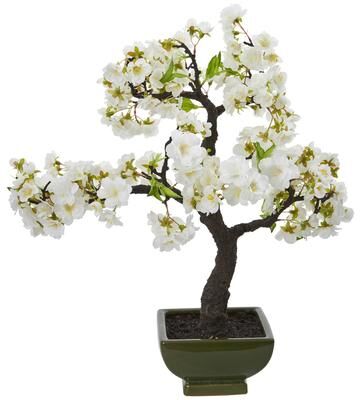
Nearly Natural Cherry Blossom Bonsai Artificial TreeKnown as the national flower of Japan, the cherry blossom tree features a strong stem with several lightly tinted white blooms on each branch. Standing at 20 inches tall, it makes a simple but dramatic centerpiece for a dining room table.71,99 $*Shipping: 0,00 $Secure redirect to the provider
-
Nearly Natural Podocarpus with Mossed Bonsai PlanterAdd elegant vibrancy to your work or living space with this beautiful Podocarpus plant arrangement. Offering an elegant and ornately detailed design, this lifelike plant makes a wonderful addition to your home or office or a perfect all-occasion gift.77,76 $*Shipping: 0,00 $Secure redirect to the provider
-
Nearly Natural Artificial Bonsai Tree (36 in.)Add enchanting beauty to your home decor with this decorative artificial Bonsai tree featuring realistic design and expert craftsmanship. This beautiful Bonsai tree arrives in a black planter surrounded by artificial dirt for an authentic look.152,49 $*Shipping: 0,00 $Secure redirect to the provider


-
When should one water a Japanese Maple Bonsai?
One should water a Japanese Maple Bonsai when the top layer of soil feels dry to the touch. It's important to avoid overwatering, as this can lead to root rot, but also to ensure the tree does not dry out completely. The frequency of watering will depend on factors such as the size of the pot, the climate, and the time of year. It's important to monitor the tree regularly and adjust the watering schedule as needed. **
-
What is wrong with my bonsai? My bonsai is sick.
There are several potential reasons why your bonsai may be sick. It could be due to overwatering or underwatering, improper lighting, pests or diseases, or a lack of proper nutrients. It's important to carefully assess the specific symptoms your bonsai is exhibiting, such as yellowing leaves, wilting, or discoloration, in order to determine the underlying issue. Once you have identified the problem, you can take appropriate steps to address it, such as adjusting your watering schedule, providing better lighting conditions, or treating for pests or diseases. If you are unsure of the cause of your bonsai's illness, it may be helpful to consult with a knowledgeable bonsai expert or horticulturist for guidance. **
-
How often should one water a Bonsai Ficus Ginseng?
The frequency of watering a Bonsai Ficus Ginseng depends on various factors such as the size of the pot, the environment it is kept in, and the season. Generally, it is recommended to water the Bonsai Ficus Ginseng when the topsoil feels slightly dry to the touch. This could range from once every 2-3 days in warmer months to once a week in cooler months. It is important to monitor the plant closely and adjust the watering schedule as needed to ensure the plant remains healthy. **
-
How do I water a bonsai tree with cola?
Watering a bonsai tree with cola is not recommended as the high sugar content and acidity of the soda can harm the tree. Bonsai trees require regular watering with clean, non-chlorinated water to keep the soil moist but not waterlogged. It's important to use water that is suitable for the specific type of bonsai tree you have, and to avoid using any sugary or acidic substances like cola. Stick to the traditional method of watering with clean water to ensure the health and longevity of your bonsai tree. **


Is bonsai soil hard?
Bonsai soil is not hard, but rather a well-draining and porous mix that allows for proper aeration and water retention for the bonsai tree's roots. The soil composition is usually a combination of inorganic materials like akadama, pumice, and lava rock, along with organic materials like pine bark or peat moss. This specialized soil mix is crucial for the health and growth of bonsai trees, as it provides the necessary conditions for root development and overall tree health. **
Is bonsai plant torture?
No, bonsai plants are not considered torture. Bonsai cultivation is an ancient art form that involves carefully shaping and pruning trees to create miniature versions of their full-sized counterparts. When done correctly, bonsai plants can live long and healthy lives, bringing beauty and tranquility to their surroundings. It is important to provide proper care and attention to bonsai plants to ensure their well-being. **
Top-Angebote
Products related to Bonsai:
-
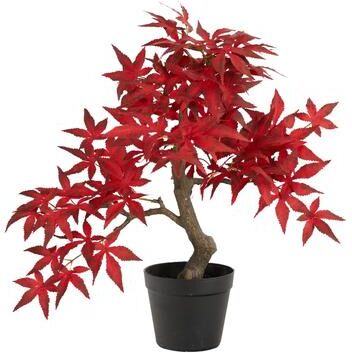
Nearly Natural "20"" Autumn Maple Bonsai"Complement your harvest décor with an autumn-inspired maple bonsai. Inspired by the magnificent fall foliage of North America, this high-quality faux bonsai will elevate your everyday interiors while adding a bit of festive cheer.63,45 $*Shipping: 0,00 $Secure redirect to the provider
-
From You Flowers Pink Azalea BonsaiThis stunning outdoor azalea plant has been carefully crafted into a balanced bonsai shape. The charming tree features beautiful pink blossoms, ready to bloom in the months of May and June! They'll surely cherish this charming, thoughtful gift as it...59,99 $*Shipping: 14,99 $Secure redirect to the provider
-
Nearly Natural Cherry Blossom Bonsai Artificial TreeKnown as the national flower of Japan, the cherry blossom tree features a strong stem with several lightly tinted white blooms on each branch. Standing at 20 inches tall, it makes a simple but dramatic centerpiece for a dining room table.71,99 $*Shipping: 0,00 $Secure redirect to the provider
-
How can one keep an outdoor bonsai indoors?
To keep an outdoor bonsai indoors, it's important to mimic its natural outdoor environment as closely as possible. This includes providing the bonsai with adequate sunlight, either by placing it near a south-facing window or using grow lights. It's also important to maintain the proper humidity levels by misting the bonsai regularly and placing a humidity tray filled with water and pebbles underneath the pot. Additionally, it's crucial to monitor the temperature and ensure that the bonsai is not exposed to drafts or extreme temperature fluctuations. Finally, regular watering and proper soil drainage are essential to keep the bonsai healthy while indoors. **
-
How often do you water a bonsai?
Bonsai trees should be watered when the soil starts to feel slightly dry to the touch. This could range from every day to every few days, depending on factors such as the size of the pot, the type of soil, and the specific needs of the tree species. It's important to monitor the soil moisture regularly and adjust the watering schedule accordingly to ensure the bonsai receives the right amount of water. Overwatering or underwatering can both be harmful to the health of the bonsai. **
-
When should one water a Japanese Maple Bonsai?
One should water a Japanese Maple Bonsai when the top layer of soil feels dry to the touch. It's important to avoid overwatering, as this can lead to root rot, but also to ensure the tree does not dry out completely. The frequency of watering will depend on factors such as the size of the pot, the climate, and the time of year. It's important to monitor the tree regularly and adjust the watering schedule as needed. **
-
What is wrong with my bonsai? My bonsai is sick.
There are several potential reasons why your bonsai may be sick. It could be due to overwatering or underwatering, improper lighting, pests or diseases, or a lack of proper nutrients. It's important to carefully assess the specific symptoms your bonsai is exhibiting, such as yellowing leaves, wilting, or discoloration, in order to determine the underlying issue. Once you have identified the problem, you can take appropriate steps to address it, such as adjusting your watering schedule, providing better lighting conditions, or treating for pests or diseases. If you are unsure of the cause of your bonsai's illness, it may be helpful to consult with a knowledgeable bonsai expert or horticulturist for guidance. **
Similar search terms for Bonsai
-
Nearly Natural Podocarpus with Mossed Bonsai PlanterAdd elegant vibrancy to your work or living space with this beautiful Podocarpus plant arrangement. Offering an elegant and ornately detailed design, this lifelike plant makes a wonderful addition to your home or office or a perfect all-occasion gift.77,76 $*Shipping: 0,00 $Secure redirect to the provider
-
Nearly Natural Artificial Bonsai Tree (36 in.)Add enchanting beauty to your home decor with this decorative artificial Bonsai tree featuring realistic design and expert craftsmanship. This beautiful Bonsai tree arrives in a black planter surrounded by artificial dirt for an authentic look.152,49 $*Shipping: 0,00 $Secure redirect to the provider
-
From You Flowers Flowers - Pomegranate Bonsai TreeThis dwarf pomegranate tree is truly something special! This short beauty blooms through the spring and summer, and even begins growing fruit in August. This stunning plant is perfect for gifting, and its coral colored blooms will make your lucky...59,99 $*Shipping: 14,99 $Secure redirect to the provider
-
How often should one water a Bonsai Ficus Ginseng?
The frequency of watering a Bonsai Ficus Ginseng depends on various factors such as the size of the pot, the environment it is kept in, and the season. Generally, it is recommended to water the Bonsai Ficus Ginseng when the topsoil feels slightly dry to the touch. This could range from once every 2-3 days in warmer months to once a week in cooler months. It is important to monitor the plant closely and adjust the watering schedule as needed to ensure the plant remains healthy. **
-
How do I water a bonsai tree with cola?
Watering a bonsai tree with cola is not recommended as the high sugar content and acidity of the soda can harm the tree. Bonsai trees require regular watering with clean, non-chlorinated water to keep the soil moist but not waterlogged. It's important to use water that is suitable for the specific type of bonsai tree you have, and to avoid using any sugary or acidic substances like cola. Stick to the traditional method of watering with clean water to ensure the health and longevity of your bonsai tree. **
-
Is bonsai soil hard?
Bonsai soil is not hard, but rather a well-draining and porous mix that allows for proper aeration and water retention for the bonsai tree's roots. The soil composition is usually a combination of inorganic materials like akadama, pumice, and lava rock, along with organic materials like pine bark or peat moss. This specialized soil mix is crucial for the health and growth of bonsai trees, as it provides the necessary conditions for root development and overall tree health. **
-
Is bonsai plant torture?
No, bonsai plants are not considered torture. Bonsai cultivation is an ancient art form that involves carefully shaping and pruning trees to create miniature versions of their full-sized counterparts. When done correctly, bonsai plants can live long and healthy lives, bringing beauty and tranquility to their surroundings. It is important to provide proper care and attention to bonsai plants to ensure their well-being. **
* All prices are inclusive of VAT and, if applicable, plus shipping costs. The offer information is based on the details provided by the respective shop and is updated through automated processes. Real-time updates do not occur, so deviations can occur in individual cases. ** Note: Parts of this content were created by AI.